
Chief Engineer Jonas Muff Kofoed: No pirates or shelling here. Whole
By Hanne Baltzer
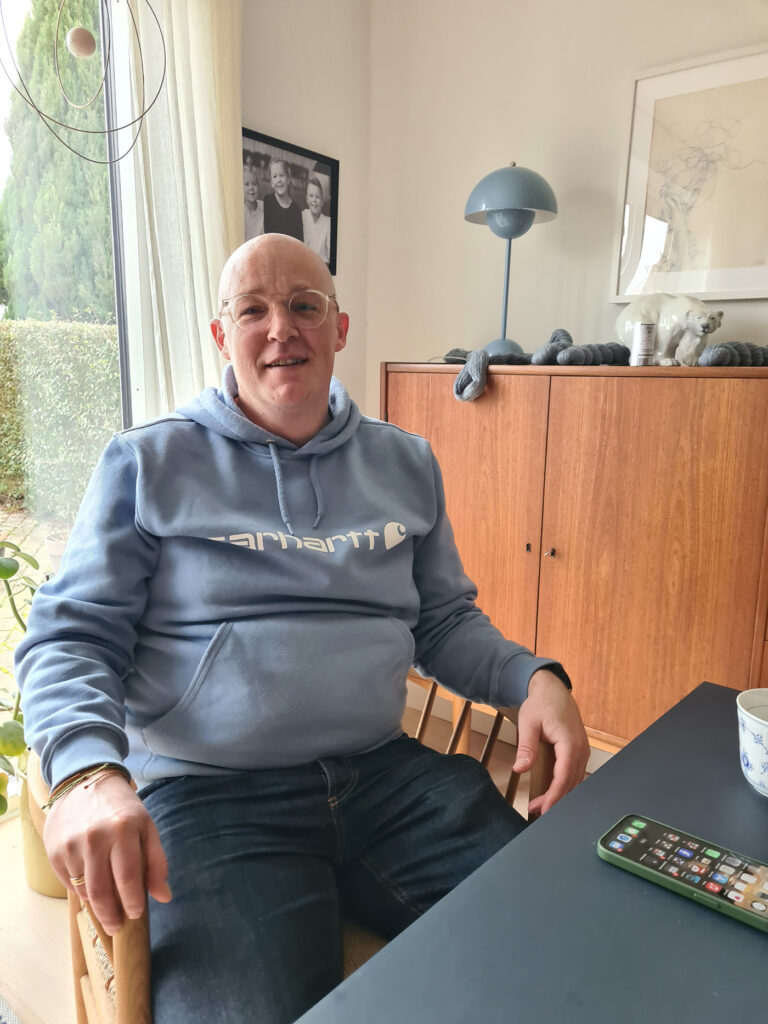
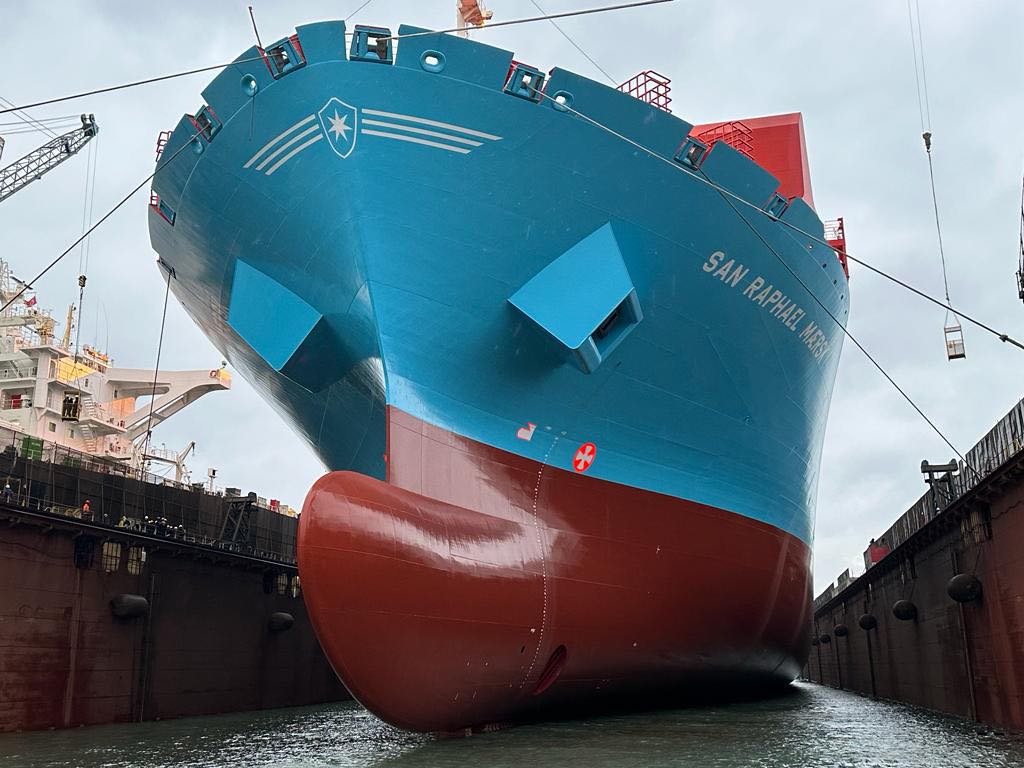
Jonas Muff Kofoed is at home in Odense, but soon he will be travelling to work again. He is chief engineer on the container ship SAN RAPHAEL MÆRSK, which sails a regular route between Europe and South America. When he sailed tankers, he only knew the place and date of embarkation shortly beforehand because the ship was not in regular service. Fortunately, that's not the case this year.
I 2023 stod han på i Algeciras i Sydspanien den 1. december, hvorefter de sejlede i dok i Tyrkiet. Derefter blev skibet sendt til Det Røde Hav, inden det atter skulle gå ind i den normale rute på et ni ugers rul, og det blev almindelig hverdag igen. For mandskabet betød det nogle dage i en ny rute med ekstra opmærksomhed. Sejlturen gik via Suez-kanalen og Det Røde Hav til Jeddah i Saudi Arabien og retur. Jeddah ligger dog ikke helt nede ved Bab al-Mandab-strædet, som især er det område, hvor Houthi-militsen skyder på civil skibsfart.
"It was pretty clear that the Suez Canal was not as busy as usual, which was due to the fact that many shipping companies have changed their sailing routes because of the shootings. It wasn't dangerous for us - there is no shooting in that direction and the Red Sea is quite big," Jonas smiles.
Quick decision
Around 90 per cent of the ships that normally use the Suez Canal are taking new routes for the safety of crew, ship and cargo. Currently, the route is via the Cape of Good Hope. This is a detour of 9 days, 7,300 kilometres or 4,000 nautical miles. The Maersk shipping company was one of the first to change the route. This happened after an attempted attack on a container ship back in December. All captains and chief engineers receive regular updates from Maersk on the situation both in the Red Sea and elsewhere in the world.
"The shipping company was quick to decide to sail around it. It was good for everyone, because obviously the colleagues sailing in the area must be under pressure. "
Be able to share knowledge
They don't talk much about being challenged. They don't talk much about that either. SAN RAPHAEL MÆRSK has five sister ships. The chief engineers from the six ships have a WhatsApp group about engineering. There are can They share experiences: "There's not much we do in it. Everyone does their own thing. No-one wants to ask something that someone else might think they should know! But it's a bit silly when you could easily share knowledge," says Jonas. For him, one of the most professionally satisfying things is getting the engines running at maximum performance. Every day, he has to report a lot of data with different consumption to the head office in Denmark. They are also the ones he communicates with if something needs to be purchased.
Jonas er meget veltilpas med, at han sejler langt fra Det Røde Hav: ”I vores farvand er der ingen pirater, beskydninger eller blinde passagerer ombord. Vores største opmærksomhedspunkt er at sørge for, at vi ikke får narko ombord, men vi gennemgår da også skibet for blinde passagerer, inden vi sejler fra Sydamerika. Jeg har sejlet ved Afrika som aspirant i fem måneder omkring 2000. Da skulle vi hele tiden skulle være maksimalt opmærksomme på blinde passagerer, at alt var låst fast, så det ikke blev stjålet, pirater osv. Jeg kan godt lide vores nuværende rute. Efter travle anløb forskellige steder i Europa tager det 9-10 dage at nå næste havn i Sydamerika. I de dage er der mulighed for mere socialtid, inden der skal arbejdes igennem ved de mange anløb i sydamerikanske havne. Derfor er en barbecue altid populær.”
Community on board
There are 24 on board. There are Indians, Ukrainians, Danes, Poles, Filipinos and a Brazilian. The working language is English, which everyone respects. It is also spoken at mealtimes if several nationalities sit at the same table. On previous ships, Jonas has sat at a table for four where the other three spoke the same language. It's exclusionary.
”Jo, vi er meget opmærksomme på chikane og mobning ombord. Som seniorofficer har jeg været på kursus i at håndtere konflikter og i, hvordan man gebærder sig ok. Hver sjette uge holder vi også øvelser i, hvordan vi opfører os bedst overfor hinanden. Her er det muligt at sige frem. Desuden har rederiet også anonyme hotlines og halvårlige tilfredshedsundersøgelser. For mig at se er det største problem falske anklager. Jeg ved dog, at det er noget, rederiet også har fokus på. Selv er jeg opmærksom på at behandle andre godt. Jeg praktiserer en flad ledelsesstruktur med stort ansvar til den enkelte samtidig med, at de ved og accepterer, at jeg står med ansvaret.”
The internet is on board and all MARKS ships are now equipped with Starlink for better online connectivity, but a large amount of data for the office and customers is "eating away" at the connection.
"Each container is equipped with a chip that constantly updates on various parameters. There is also, for example, live monitoring of the main engine and occasionally on the bridge. This means that much of the internet connection is already in use. So there's not always much connection left to contact family."
Jonas Muff Kofoed
- Danish chief engineer
- Employed in MÆRSK
- 2006: graduated as a mechanical engineer
- Father of three, married to Hanne
- Working 9 weeks away followed by 9 weeks at home
- Member of the Board of Directors of the Seamen's Mission