
Fix together
By Hanne Baltzer
Most women are able to talk about how they feel. And they often have more people to confide in because they have acquired many social skills. Men have a harder time putting difficult things into words. They have learnt to push emotions aside, but this can lead to unhappiness, mental health problems and isolation.
"It's crucial to have someone to confide in. We have enough data to show that some men don't thrive mentally at all. They typically slip off with a disarming remark if you ask about them, or they shut down because they can't put the answer into words, and then the fragile confidentiality is over. They are very vulnerable," says Svend Aage Madsen. He is a research leader and psychologist at Rigshospitalet in Copenhagen and chairman of the Forum for Men's Health. The organisation works to focus on and improve men's physical and mental health.
Shorter lifespan
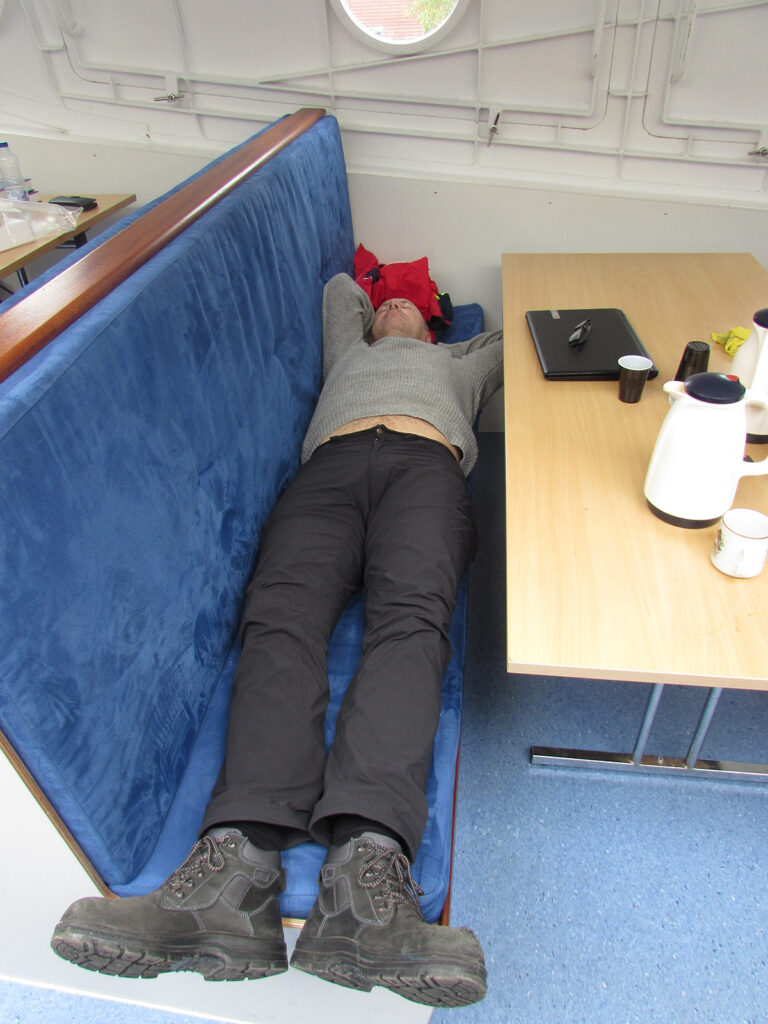
A new Danish study from the Forum for Men's Health, led by Svend Aage Madsen, shows that one in five men rarely or never have someone to talk to confidentially. The consequence is a shorter lifespan, because everyone needs someone who loves you and cares about how you feel.
Selv om undersøgelsen er lavet blandt danske mænd, er den alligevel relevant for andre. Fra undersøgelser blandt sømænd ved vi, at mange fremhæver ensomhed som et livsvilkår til søs. Fysisk er man begrænset af skibets rammer, og psykisk af en måske sporadisk kontakt med omverdenen på grund af skiftene online-muligheder og forholdsvis få kolleger, man ikke har meget til fælles med.
The psyche is uncharted territory
Svend Aage Madsen møder via sit arbejde flere og flere mænd, der kæmper med ensomhed. Ofte sti ller han spørgsmålet: How long has it been since you've spoken confidentially with another human being? ”Har man ingen at tale fortroligt med, kører ens tanker i ring. Man skal have input fra andre, så man kommer til at tænke på nye måder. Har man en fortrolig, bliver det lettere at håndtere det svære. Hvis man lider afsavn, fordi ingen ser, hvordan man har det, eller man ikke synes, man betyder noget for andre, så er det ofte en indikator på psykisk og fysisk mistrivsel. Mænd har svært ved at opfatte problemer som psykiske. For mange er det simpelthen et ukendt land at tale om psyken,” siger Svend Aage Madsen.
Seeking help is not men's favourite way to fix a situation, even if it's hard to do something on your own. Doing something together is something else. Men typically want to do something together. This can also be done on board a ship while talking about something that's on your mind, although most men aren't used to sharing emotions at all.
Together
"For many men, it has never been productive to feel how they feel in the functions men have had throughout our civilisation. Women do, because they're on home turf when it comes to relationships because they've taken care of the family. They will seek out relationships when things are difficult. A lot of men just want to be left alone and that's not healthy for them," he says.
Friends come in many guises, while close relationships are almost formulaic: "It's someone who means something to you and who you care about. Someone you want to relate to, how you feel, and who will do the same for you. Someone you can go to when you're in crisis or when you're unhappy about something," says Svend Aage Madsen.
Typisk kan man sige, at mænds følelsesmæssige og fysiske sundhed er afhængig af en partner. Næsten 70 procent af mænd mener, at det er afgørende at have en partner. For mennesker, der ikke har nære relationer, kommer også ofte for sent til lægen og har større dødelighed i forhold til forskellige sygdomme. Undersøgelser viser, at mænd lever syv år kortere, hvis de ikke er i et parforhold. For kvinder er det tre år. Mister manden sin partner derhjemme, fx skilsmisse, så smutter den mest nære relation, han har.
Take action
A large group of men experience loneliness, unwanted single life and childlessness, lack of opportunities to keep up at work and poor physical health, which also impairs mental well-being. All of which affect everyday life.
"We know that not having close relationships is the biggest vulnerability factor for mental health difficulties and unhappiness. Men have to work to put words to it, even though some of them say that emotions are not something we talk about, it's just something we are equipped with."
Specifically, the Forum for Men's Health is setting up communities called 'Men's Meeting Places' around Denmark. They are not about talking about problems. They are about doing something together, building relationships and eventually developing close friendships.
"We know that if we create this type of community, the men come out in droves, because doing something together builds relationships. You can probably do that on board a ship too."
- Take the initiative to have a chat.
- Listen and allow the other person to remain silent after the first few words. Don't interrupt the thought process by talking on. Give the other person space to speak again.
- Never ask a man: How do you feel? How are you feeling? Do you feel lonely?
Instead of: Do you have someone to confide in? How would you rate your mental wellbeing? - It's better to ask than not to ask at all.
- Do something together on board in your free time.
- A good work environment is also mental health. As a colleague, you play a big role.
- If men have bad behaviour, they've had it bad for a long time.
- Give your colleague a warm welcome if they've been down with the flag and are now back.